
Meet Your Seller
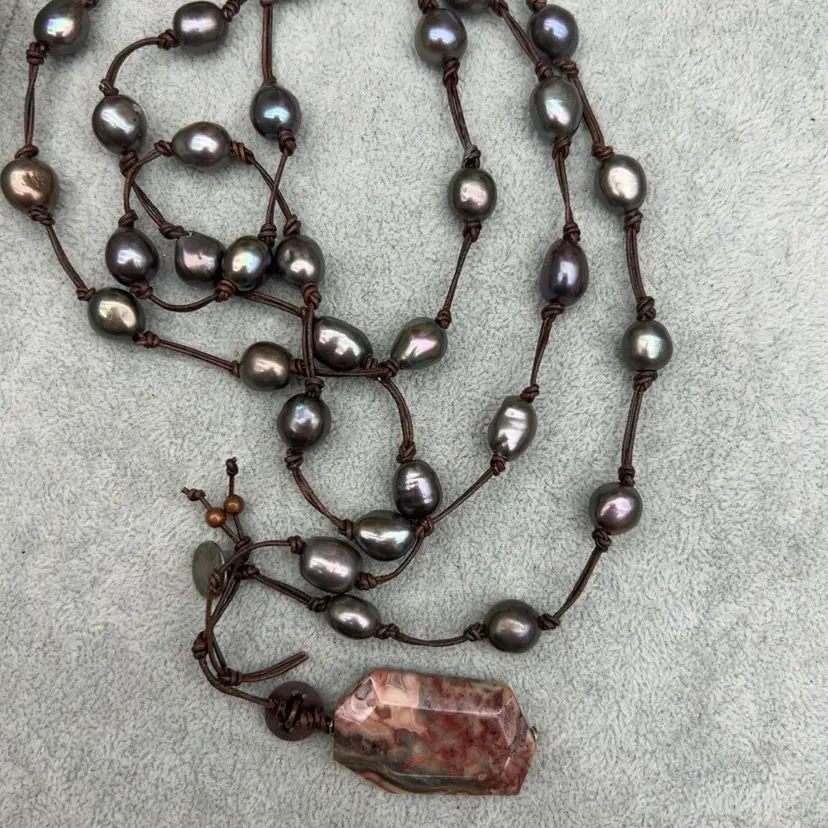
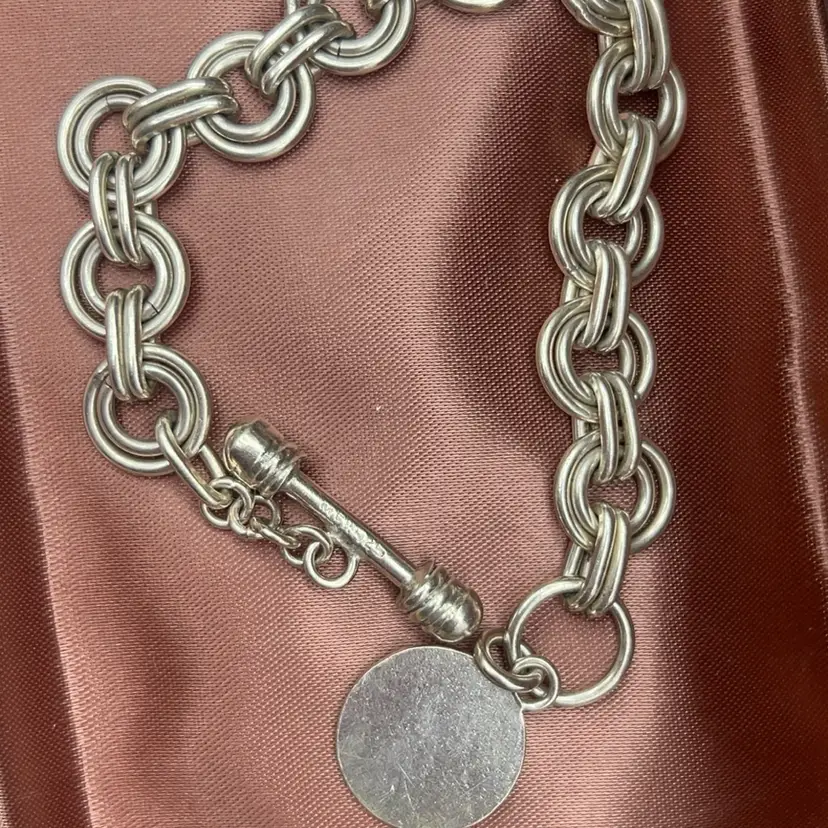
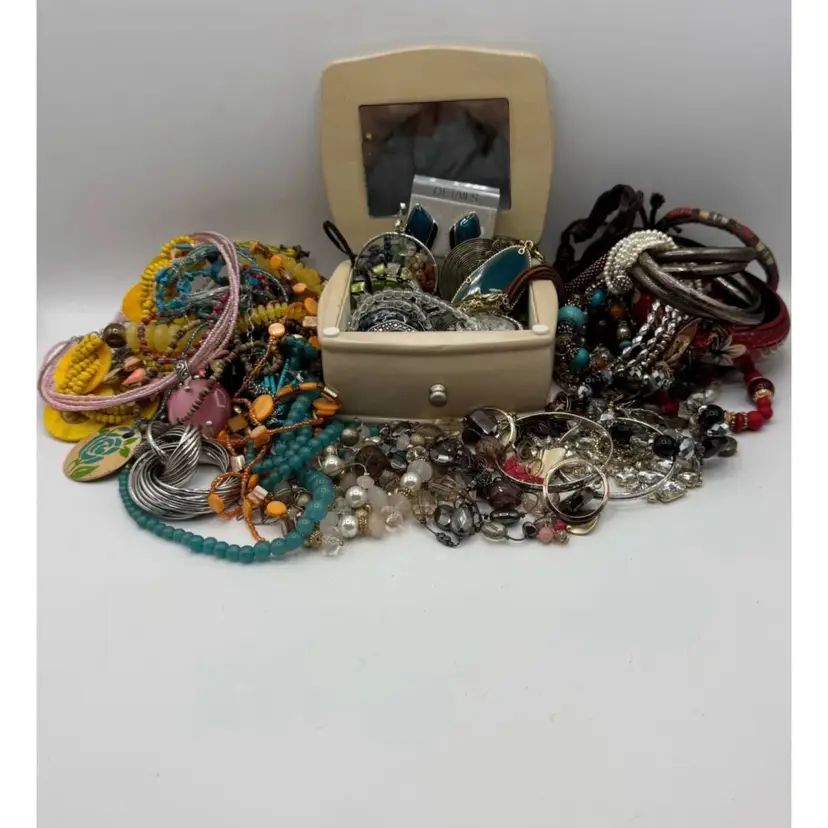
FROM UNCLE VINNY was my mother’s creation. Since I was a child, she would give extra presents to family on holidays, things that she found at thrift stores and garage sales. These gifts were handpicked for the recipient, and we always enjoyed opening them. She would sign the tag from “Uncle Vinny”, after St. Vincent de Paul’s endearing nickname, St. Vinny’s. Uncle Vinny performed his gift-giving duties under my mother’s tutelage for 50 years. Some relatives have known his presence all their lives: one cousin grew up without ever learning the truth behind our second Santa Claus, and she reached adulthood believing that we had some strange, distant uncle who sent us used presents! Today, my family still occasionally takes up Uncle Vinny’s mantle, bestowing thrifted gifts to each other in his name. I carry on the tradition in my own way, reselling vintage treasures I find at the same places mom and I used to shop together. Uncle Vinny lives on. I hope Uncle Vinny has the perfect gift here for you!
- Niknax seller since
- 225 Listings
- 4627th on Seller Leaderboard
- 18 Sales
- No recent shipments
Product Gallery
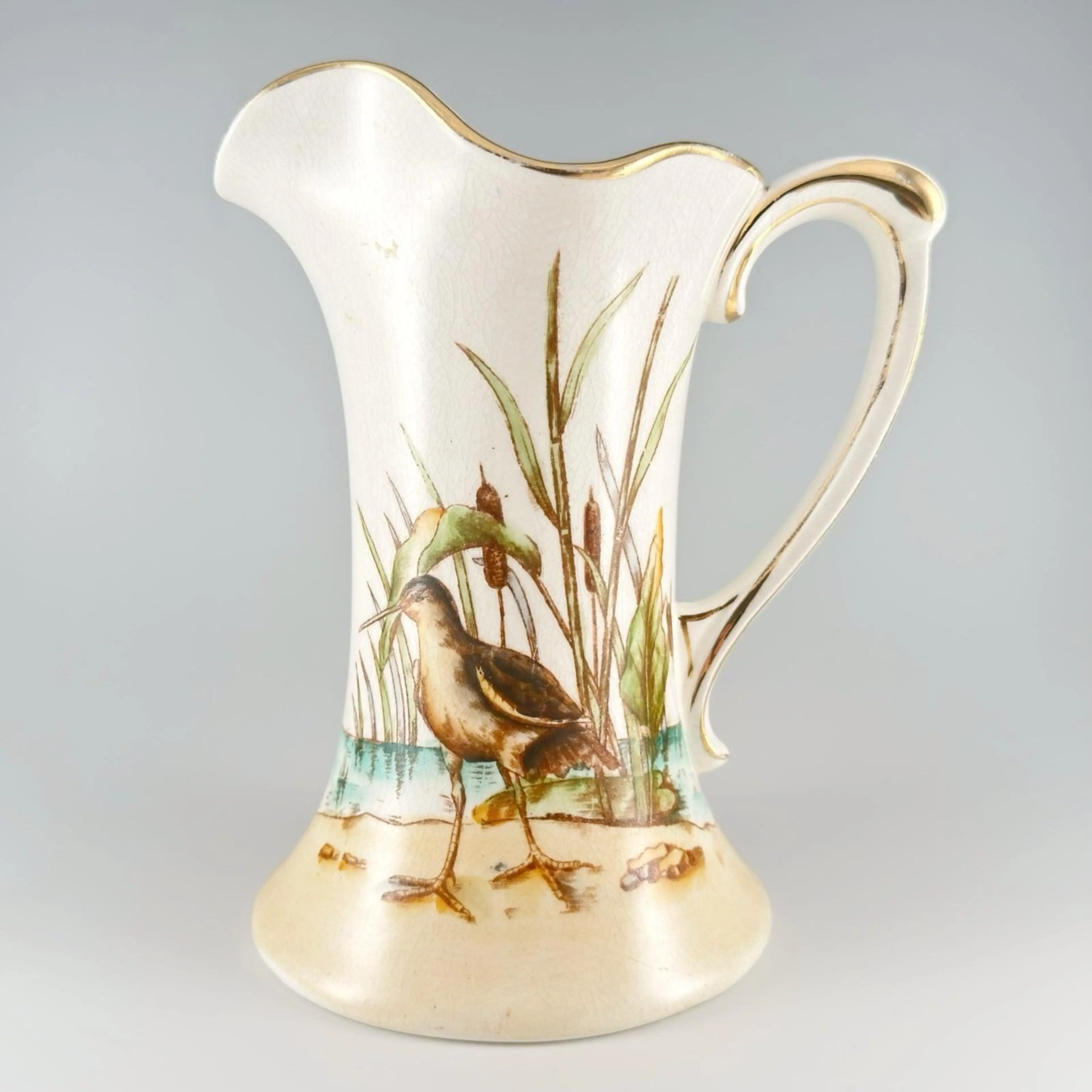
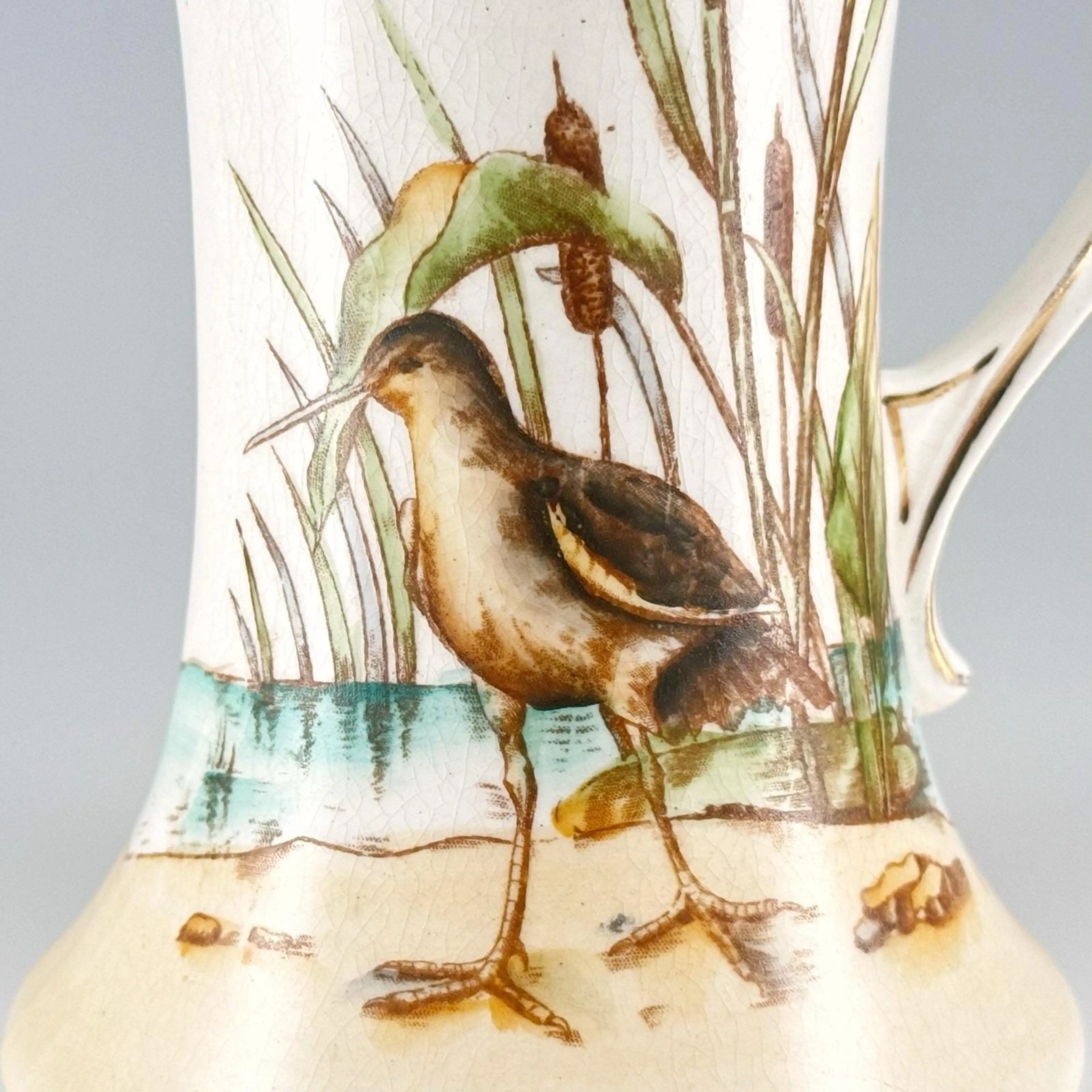
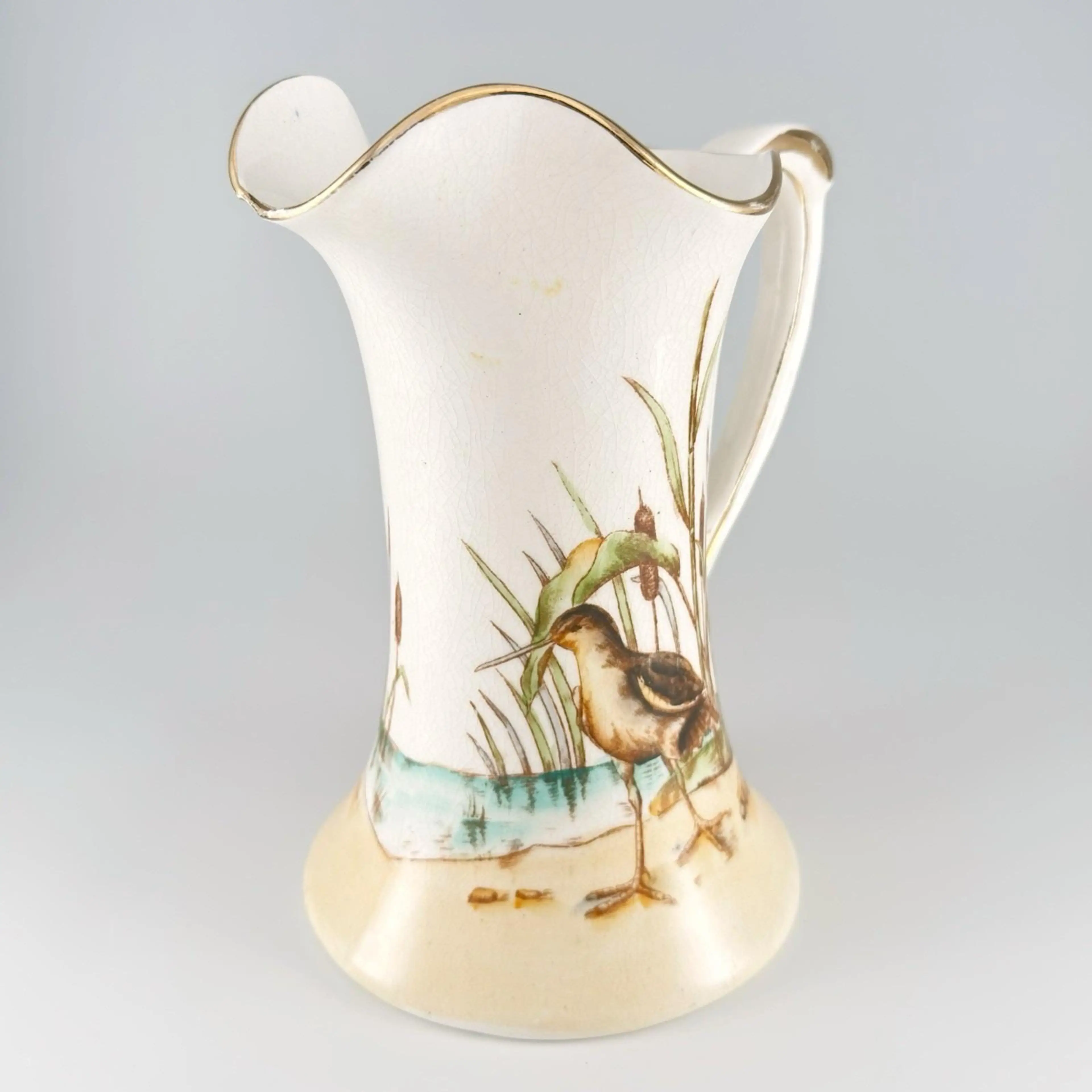
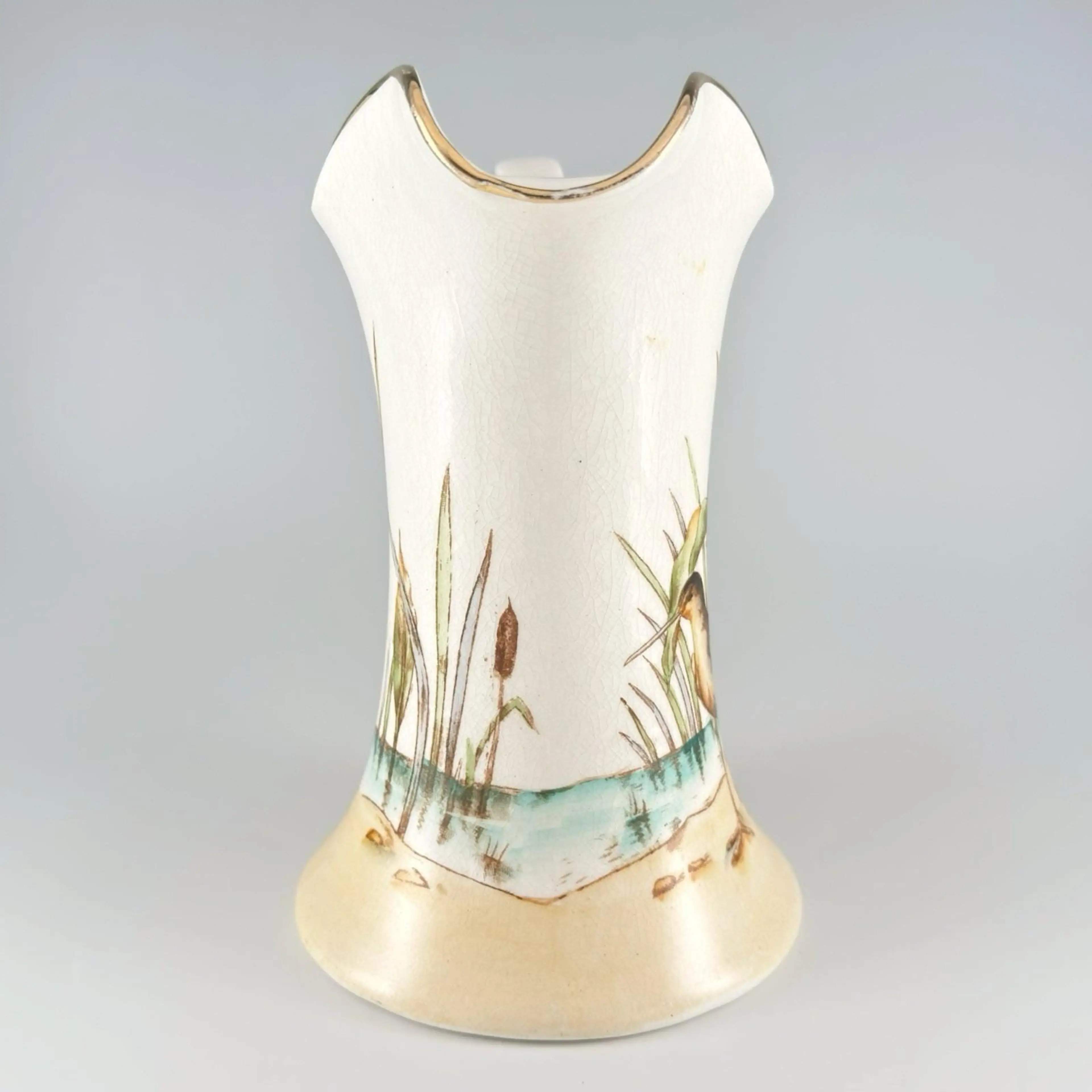
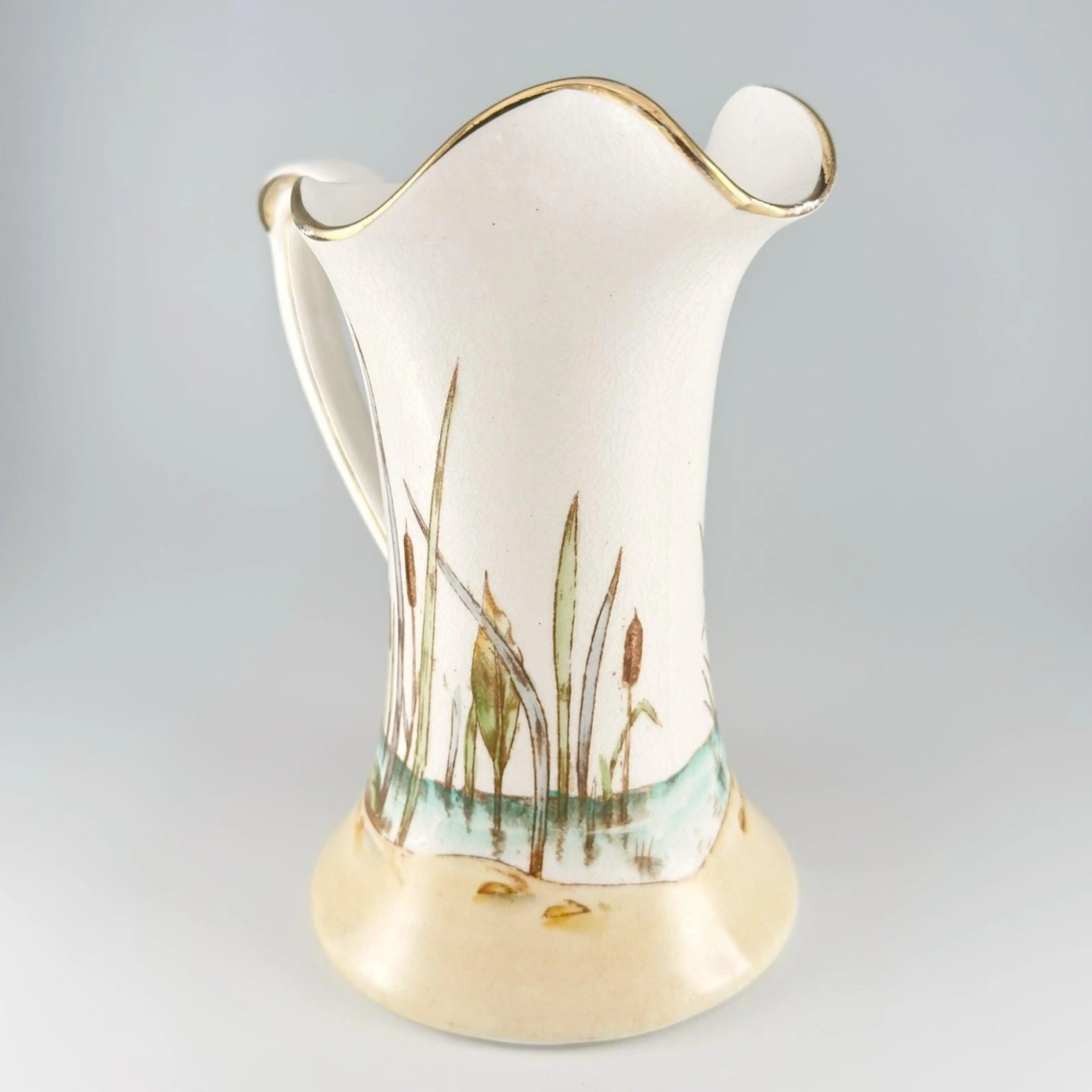
Antique Haynes Ware Sand Piper Bird Ceramic Pitcher, Baltimore Transferware Jug
This antique, Haynes Ware "Sand Piper" bird ceramic pitcher is decorated with a colored transferware design featuring a detailed shorebird amidst cattail reeds. It was made in Baltimore, Maryland, and the maker's mark stamped on the bottom dates this piece between 1887 and 1914. It is perfect for collectors or anyone looking to add a touch of history to their home decor.
The pitcher measures 6 3/4" L x 5 1/8" W x 7 7/8" H and holds approximately 26 fl oz. While it is in very good condition for its age, there is minor wear to the gold accents and some crazing in the glaze, which can be seen in the last photo. It will be packed securely and shipped to you promptly within one business day.
- 10 views
- Listed Jun 21, 2026